
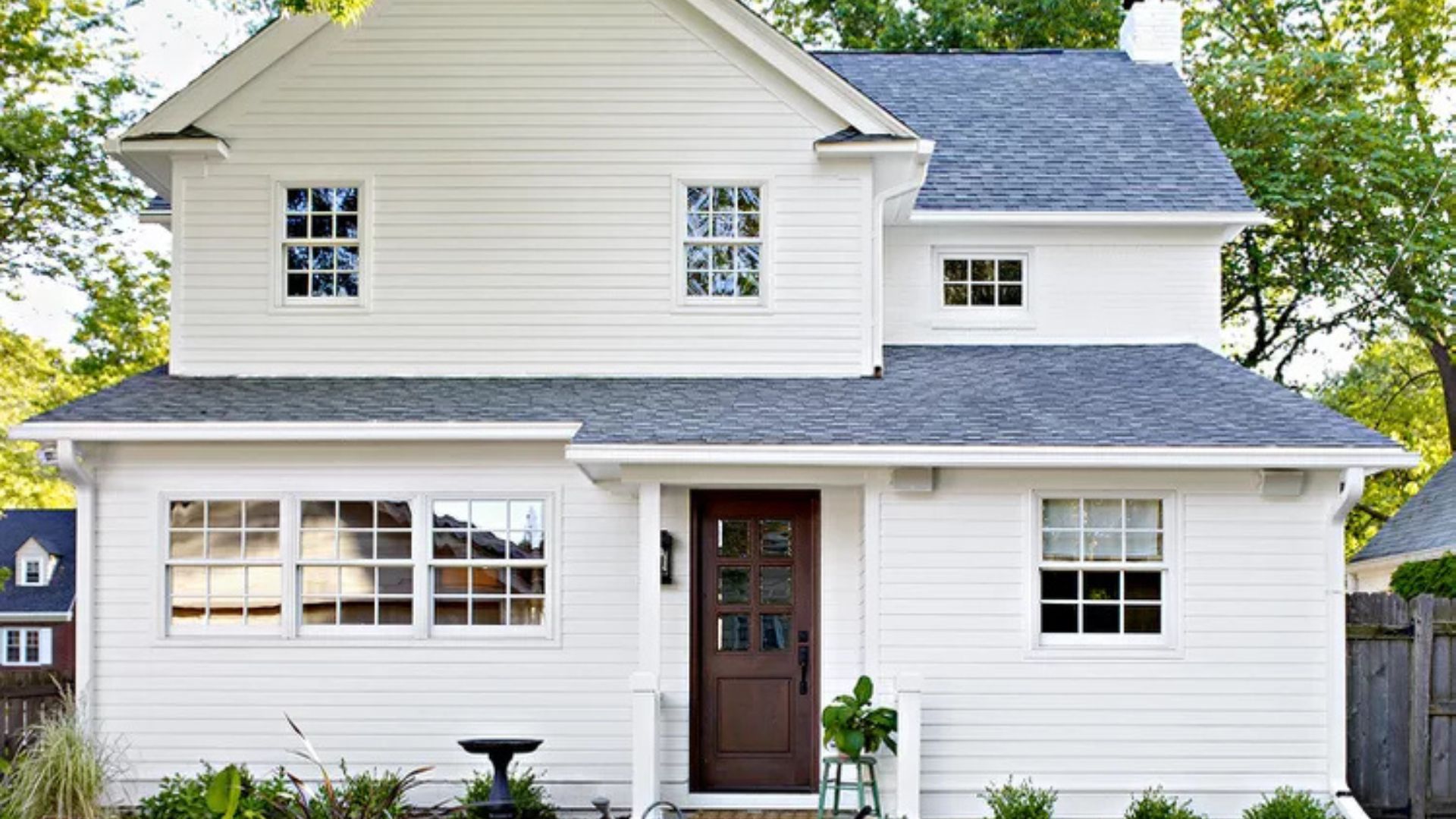
Choosing the right siding for your home is a crucial decision—it impacts your home’s curb appeal, energy efficiency, durability, and overall value. With so many options available, selecting the best siding material can feel overwhelming. Whether you're building a new home or upgrading your existing exterior, this complete guide will help you make an informed choice based on your budget, style preferences, and climate conditions.
Choosing the best siding for your home is about balancing aesthetics, durability, maintenance, and energy efficiency. Whether you prioritize style, budget, or long-term performance, there’s a perfect siding option for your needs.
Consider Your Climate & Durability Needs
One of the most important factors when choosing siding is climate suitability. Different materials react differently to temperature changes, humidity, and extreme weather.
- Vinyl Siding – Durable, moisture-resistant, and withstands moderate weather conditions.
- Fiber Cement Siding – Highly durable and resistant to fire, insects, and harsh weather.
- Wood Siding – Classic and attractive but requires maintenance in humid or rainy climates.
- Metal Siding – Strong and weather-resistant, ideal for modern homes.
- Brick & Stone Veneer – Extremely durable but higher in cost.
If you live in an area with harsh winters, heavy rain, or strong winds, consider a siding material that offers high weather resistance and low maintenance.
Choose a Siding Material That Matches Your Home’s Style
Your home’s siding plays a huge role in its overall appearance. Whether you prefer a traditional, modern, or rustic look, the right siding can enhance your home's architectural character.
- Vinyl Siding – Available in a wide range of colors and styles, ideal for traditional and contemporary homes.
- Wood Siding – Adds warmth and elegance, perfect for cottages, farmhouses, and classic designs.
- Fiber Cement Siding – Mimics the look of wood but with greater durability and less maintenance.
- Brick & Stone Veneer – Gives a timeless, upscale appearance, great for historic or luxury homes.
- Metal Siding – Sleek and modern, a great option for industrial-style or minimalist designs.
Your siding should complement the roof, windows, and overall exterior design of your home to create a cohesive and attractive look.
Evaluate Maintenance & Longevity Requirements
Each siding material comes with different maintenance needs and lifespan expectations. Some require frequent upkeep, while others are virtually maintenance-free.
- Low Maintenance: Vinyl, fiber cement, and metal siding require minimal upkeep.
- Moderate Maintenance: Brick and stone veneer need occasional cleaning and sealing.
- High Maintenance: Wood siding requires regular painting, staining, and sealing to prevent rot and insect damage.
If you want a long-lasting solution with little effort, fiber cement or vinyl siding might be the best fit. On the other hand, if you love the authentic charm of wood, be prepared for ongoing maintenance to keep it looking fresh.
Consider Energy Efficiency & Insulation Benefits
Siding plays a major role in home insulation and energy efficiency. Some siding options include built-in insulation, which can reduce your energy bills by keeping your home warmer in the winter and cooler in the summer.
- Insulated Vinyl Siding – Features a foam backing that improves energy efficiency.
- Fiber Cement Siding – Can be paired with additional insulation for better thermal performance.
- Metal Siding – Reflects heat, making it ideal for warmer climates.
- Wood & Brick Siding – Naturally insulating but may require extra insulation layers.
Look for Energy Star-rated siding products to maximize efficiency and comfort while reducing heating and cooling costs.