
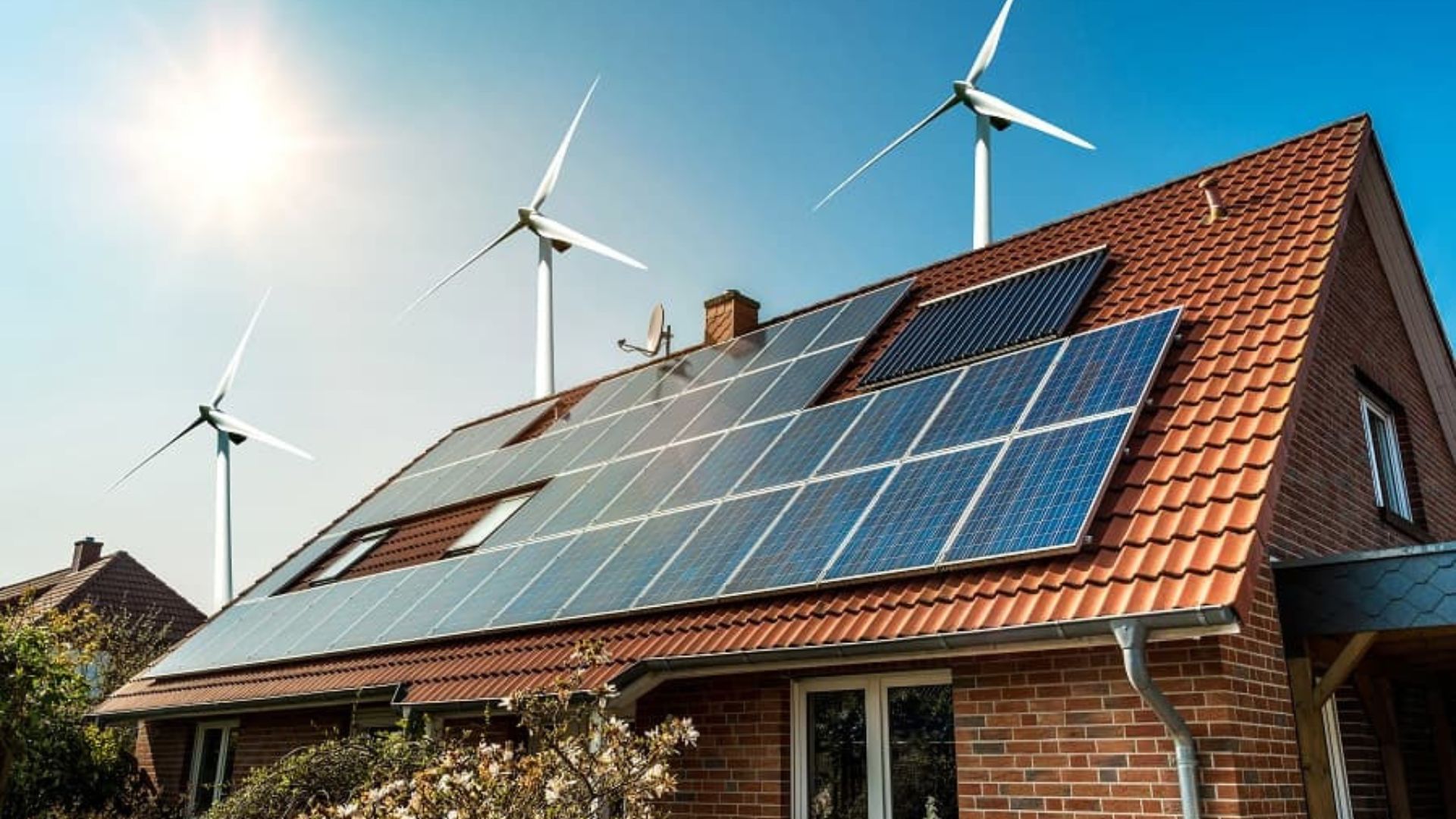
Energy efficiency is more than just a trend—it’s a smart investment that helps homeowners reduce utility bills, increase comfort, and lower their carbon footprint. Whether you’re planning a full renovation or small upgrades, energy-efficient home improvements can boost your home’s value while making it more environmentally friendly.
Investing in energy-efficient home improvements is a smart move for long-term savings, increased home value, and a more sustainable lifestyle. Whether you’re upgrading windows, insulation, HVAC systems, or lighting, these changes will make your home more comfortable, eco-friendly, and budget-friendly.
Upgrade to Energy-Efficient Windows & Doors
One of the biggest sources of heat loss and drafts in a home is outdated windows and doors. Upgrading to energy-efficient models with double or triple-pane glass, Low-E coatings, and insulated frames can help maintain a comfortable indoor temperature year-round.
Benefits of energy-efficient windows and doors:
- Reduce heating and cooling costs by preventing air leaks.
- Improve insulation and comfort, keeping warm air in during winter and hot air out in summer.
- Minimize UV damage to furniture and flooring.
- Increase home resale value with modern, high-performance materials.
Look for ENERGY STAR-rated windows and doors to ensure maximum savings and efficiency.
Upgrade Your Insulation for Maximum Savings
Proper home insulation is crucial for maintaining consistent indoor temperatures and reducing energy consumption. Many older homes have insufficient insulation, leading to higher heating and cooling costs.
Key areas to upgrade insulation:
- Attic insulation – Prevents heat from escaping in winter and keeps your home cooler in summer.
- Wall insulation – Helps maintain indoor temperatures and reduces noise pollution.
- Basement and crawl space insulation – Stops heat loss and improves moisture control.
Spray foam, fiberglass batts, and blown-in cellulose are popular insulation materials that enhance energy efficiency and improve overall home comfort.
Switch to an Energy-Efficient HVAC System
Heating and cooling systems account for nearly 50% of a home’s energy use. Upgrading to a modern, energy-efficient HVAC system can significantly reduce utility bills while providing better temperature control and air quality.
Energy-saving HVAC upgrades include:
- High-efficiency furnaces and air conditioners – Use less energy while maintaining comfortable indoor temperatures.
- Smart thermostats – Learn your schedule and adjust temperatures automatically for optimal energy savings.
- Duct sealing and cleaning – Prevents air leaks and ensures your system runs efficiently.
- Heat pumps – Provide both heating and cooling while using less energy than traditional systems.
Upgrading your HVAC system can save up to 30% on energy costs while improving indoor air quality and home comfort.
Install Energy-Efficient Lighting & Smart Home Features
Switching to LED lighting and integrating smart home technology can make a big impact on your home’s energy efficiency. LED bulbs use up to 80% less energy than traditional incandescent bulbs and last much longer.
Smart home energy-saving solutions include:
- Smart light bulbs – Adjust brightness and color temperature automatically.
- Motion sensor lighting – Reduces unnecessary electricity use.
- Energy-efficient appliances – Look for ENERGY STAR-rated refrigerators, dishwashers, and washing machines.
- Solar panels – Harness the sun’s energy to lower electricity bills and reduce reliance on the power grid.
By combining energy-efficient lighting, appliances, and automation, you can create a greener, more cost-effective home.